Speed is Clark
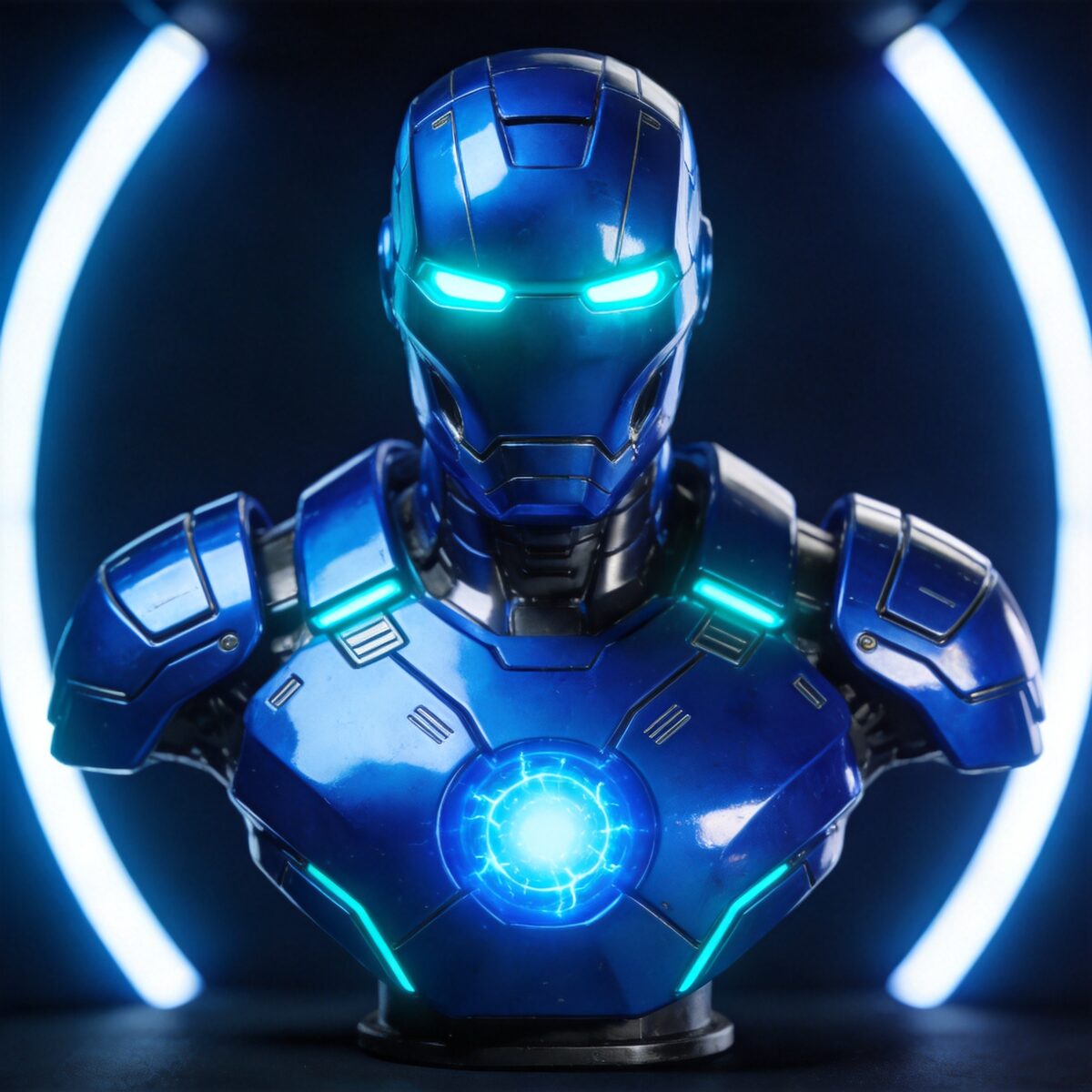
What speed changes in a company
An idea that waits three weeks is no longer the same idea. The client has changed their mind, the market has moved, the person who had it has moved on. An idea shipped the same day gets corrected the next, with feedback from someone who used it. Speed is not a luxury: it is what lets you learn before the question changes.
And speed does not come from headcount. Ten people waiting on each other are slower than one hand that knows where it is going, provided that hand is held by rules that never sleep.
Clark's level, read from his card
On the Team skills (live) page, Clark shows level 10, the highest in the house, and the title "Myth". Behind that title, two counters: 2,525 missions completed and 121 conversations followed. A mission is a request handed to the workshop, written, tested, delivered. A followed conversation is a thread that keeps its memory from one time to the next: nothing is re-explained in the morning.
A level is not granted, it is unlocked. Every delivered mission counts; every mission refused by a gate does not. Level 10 is therefore not a medal: it is the trace of two and a half thousand successful passes through gates that refuse when they must.
What he has already delivered
The Achievements page lists what is running, and every tool came out of the workshop Clark is the hand of. Among them:
- Cockpit PC: the dashboard that watches a Windows machine, published as open source.
- Secret masking: sensitive information stays hidden inside agent sessions.
- SSH Quest: the tower's connection and file-transfer client, up to ten sessions at once.
- Duelle: the dating game with duels and votes.
- The tower, in plain sight: the tower's living map, public edition, surveyed continuously.
- The 3D lab: a three-dimensional room, in the browser, where you work with the agents.
- And a dozen everyday tools: Kana, PointVirgule, My plants, Muscu, DebatExpress, two augmented-reality apps, a product showcase.
Fourteen of these projects are open: anyone can read them, try them and take them over.
What holds him
The tower's owner says it plainly: "even I don't dare code anymore." He taught Clark to code, gave him documentation, code examples, the open repositories he likes. Then he placed around him what never sleeps: guardrails, regression tests (what worked yesterday must work today), UI tests (what is displayed must be seen, not assumed), and a circuit with gates.
Clark always works on a copy of the repository, on his own branch. Jimmy proves it works. Lois proofreads. Victor checks security without artificial intelligence, with controls that never change their mind. The owner is not the first gate: he is the last. Clark is bridled, and that bridle is his speed: he can only deliver controlled things, so he has nothing to undo.
How he can still be wrong
He can. The house has already paid for three ways, and keeps them because they will come back:
- A green test that looks at something else. The check says "good" because it measures the wrong thing. The cure: break a test on purpose once, to see that it knows how to say red.
- An instruction misunderstood, executed perfectly. The work is clean, but it is not the work that was asked. The cure: read the order back before acting, and return it in one sentence.
- A guardrail that only knows yesterday's mistakes. Every gate was placed after an error. Tomorrow's mistake does not have its gate yet. The cure: when a gate refuses, do not go around it, thank it, and place a new one after every new mistake.
That is why Clark's speed is not a promise: it is a number, read from his card, and a system around him that refuses when it must.